Group your days by cluster, not by attraction list
London is easier to enjoy when your next stop is along the way. This plan pairs a substantial visit with nearby streets and river views, so you can shorten a day without abandoning a second expensive booking. The suggested visit lengths and walking allowances below are editorial planning estimates, not measured access routes or promises about queues.
| Day | Main cluster | Allow for the main visit | Flexible finish |
|---|---|---|---|
| 1 | Westminster → South Bank | One booked landmark, or exterior sightseeing | Walk towards Tate Modern; stop early if tired |
| 2 | British Museum → Trafalgar Square | About 2–3 hours at one collection | A shorter National Gallery visit or Covent Garden |
| 3 | Tower of London → City | About 3 hours at the Tower | Tower Bridge exterior, riverside or Leadenhall Market |
Do not book every optional stop. A late entry, a lunch break or a child who has had enough should leave room to change direction. For a wet day with children, swap a whole cluster for the South Kensington museums rather than adding them on top.
Day one: Westminster and the South Bank
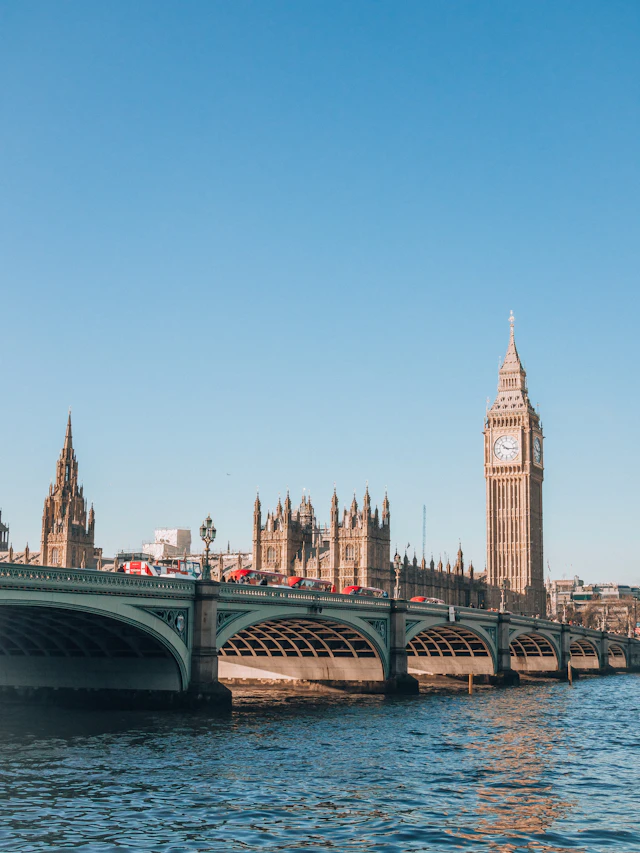
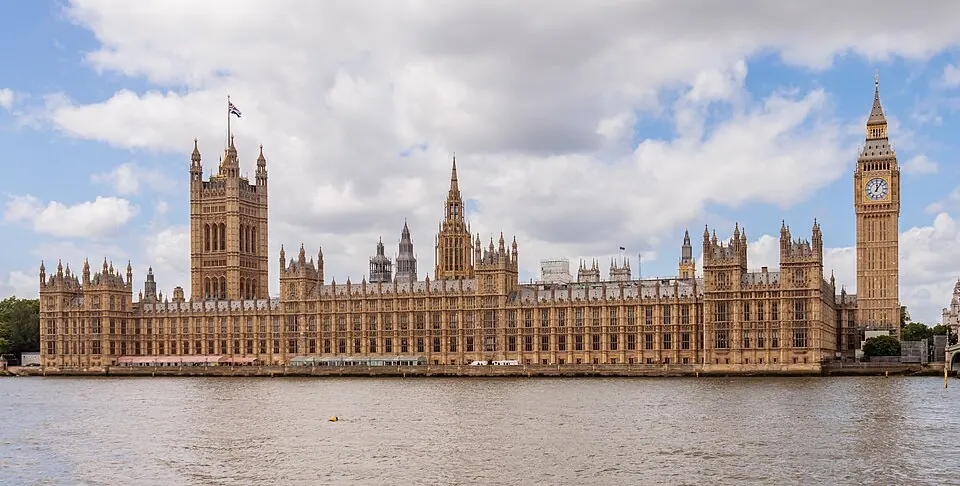
Start around Parliament Square for the exterior views of Parliament and Westminster Abbey. If entering the Abbey matters, make that the day's fixed booking using the Abbey ticket and sightseeing-hours guide. Looking at the buildings from outside does not include entry to them.
Cross Westminster Bridge and turn east along the river. You can stop around the London Eye and return to your hotel, or continue towards Tate Modern. Allow roughly 45–60 minutes from Westminster Bridge to Tate Modern at a sightseeing pace, before long stops; the old idea of doing that whole stretch in 15–20 minutes leaves little room even for the walk. Crowds, crossings and breaks can stretch it further.
Visit London's Tate Modern listing, supplied by the gallery, confirms free collection entry with paid exhibitions separate. Use it as an indoor option if the river walk turns cold or wet. If you want a leisurely gallery visit, skip another paid attraction that afternoon. Borough Market is farther east on the same south side of the river, so you need not cross back to the north bank to reach that area.
Day two: the free museums of Bloomsbury and Trafalgar Square
Make the British Museum your morning anchor if ancient history is your priority. Visit London's official visitor listing confirms that permanent galleries are free and recommends a timed ticket to guarantee entry; walk-up places are limited. Book through the museum link in that listing, not a paid “entry” package unless you deliberately want its additional service.
Pick a small number of galleries rather than trying to finish the building. Then allow about 25–35 minutes to walk south through the West End to Trafalgar Square, plus lunch. This is a planning allowance; mobility needs or a stop in Covent Garden call for more time.
The National Gallery has free general admission, optional free fast-track booking and walk-up entry. Its main visitor entrance is through the Sainsbury Wing. It opens 10:00–18:00, to 21:00 on Fridays, and closes 24–26 December and 1 January, checked 31 October 2026. If the morning museum has filled your attention span, choose a shorter painting visit or leave it for another trip.
Day three: the Tower and the City, with one booking to make in advance
The Tower of London's current standard admission is £38 per adult without donation, or £41.80 with donation; ages 5–15 pay £19 without donation. The Crown Jewels and open public areas are included, while some experiences cost extra, checked 31 October 2026.
Book the Tower first if it is a priority. Two adults and two children aged 5–15 pay £114 in standard admission without donation: 2 × £38 + 2 × £19. That excludes transport, meals, audio guides and extra experiences. If that cost is too much, keep the riverside and Tower Bridge exterior walk and put the free National Gallery in the paid visit's place.
Afterwards, choose one continuation. Tower Bridge gives you a nearby river stop; Leadenhall Market takes you into the City; a longer walk west leads towards St Paul's. Do not treat all three as a 15-minute circuit. If you want to enter the Tower Bridge exhibition, make a separate booking using the Tower Bridge guide.
What three days of transport can cost
TfL's fare-capping page lists an adult Zones 1–2 daily cap of £8.90. Three such capped days cost at most £26.70 per adult, or £53.40 for two adults, assuming all qualifying journeys stay in those zones and each person uses one consistent payment medium. Fewer journeys can cost less. These are transport-only ceilings, not the cost of the whole itinerary.
The cap is based on the zones you use, not where the attraction is. A Zone 4 hotel can change the day's cap even when you spend the afternoon in Zone 1. Airport services, river boats and other special-fare travel need checking separately. Rail journeys need both entry and exit taps; buses need only a boarding tap. A plastic bank card and the same card in a phone wallet do not combine into one cap.
For payment choices, use the London Tube and bus payment guide. Do not apply the adult totals above to children without checking their age-specific ticket arrangements.
Shorten the plan for arrival and checkout days
If your first day begins after a long flight, keep Westminster as an exterior walk and move the paid visit to a full day. For your final day, choose storage along your departure route using London luggage storage before check-in or after checkout, then work back from the collection deadline and your airline or train's required arrival time.
If a timed attraction is full, keep the same district and use its free outdoor portion; avoid a last-minute cross-city dash to a second ticket office. If long walks or step-free access are essential, replace the suggested walking chain with a route checked in TfL's journey planner and confirm the actual entrance with the venue. The shortest map route is not necessarily the easiest one with a wheelchair or pushchair.
